Art
Choosing this Course
A Level Art is ideal for students who enjoy creative thinking and visual exploration. The course supports progression to Art Foundation and degree courses, while also developing transferable skills that complement a wide range of subjects and career paths; whether in or outside the art industry. Students build creativity, problem-solving, research and communication skills that are highly valued in both higher education and the workplace.
Course Content
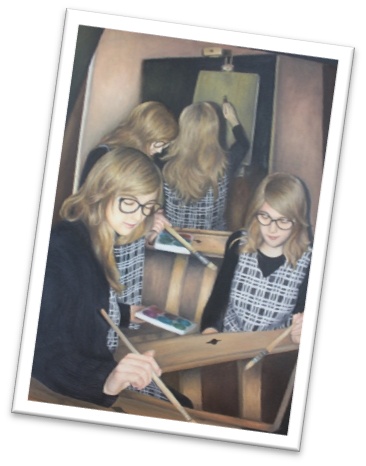
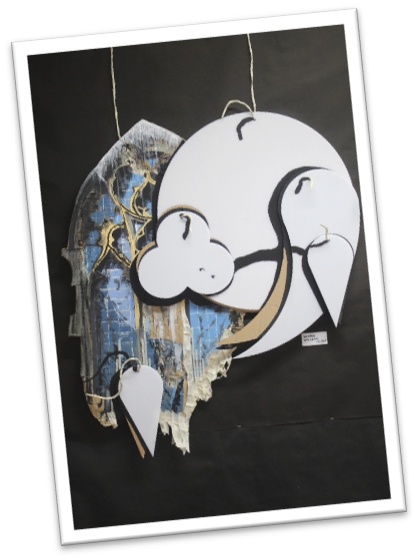
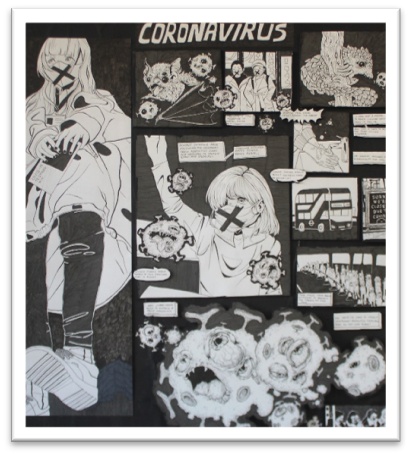
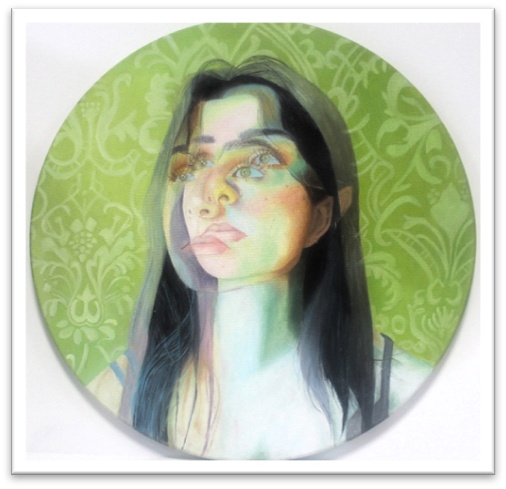
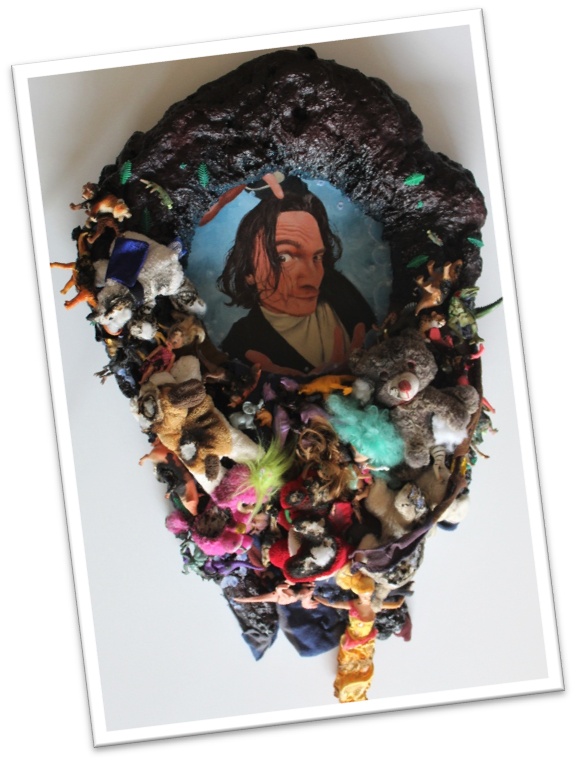
A Level Art encourages students to explore ideas, themes and personal interests through a broad range of creative experiences. Students build a portfolio of work through experimentation, research and practical investigation. The course offers opportunities to work across drawing, painting, photography, darkroom techniques, digital image editing, graphic design, ceramics, textiles, printmaking and mixed media. Access to specialist facilities, including ceramic kilns and digital editing software, darkroom, supports both traditional and contemporary approaches to artmaking.
Year 1
Students develop technical skills, creative confidence and independence through workshops and themed projects. They explore a range of materials, techniques and processes while beginning to identify their own interests and strengths. In the Summer Term, students begin their Personal Investigation, establishing the foundation for their coursework project.
Year 2
Students develop and refine their Personal Investigation, producing a substantial body of work based on a theme or question of their choice. Alongside this, they complete the Externally Set Assignment. The course culminates in an exhibition that celebrates each student's creativity, development and individual achievements.
Career Opportunities
A Level Art develops a wide range of transferable skills that are highly valued by universities and employers. Students build creativity, visual communication, problem-solving, critical thinking, research, project management, resilience and independent thinking through sustained practical and investigative work. Many students progress to Art Foundation courses and degree programmes in Art, Design and related creative disciplines. However, the skills developed through the course are equally valuable in a wide range of professions beyond the creative industries. Possible art career pathways include Graphic Design, Illustration, Animation, Architecture, Fashion Design, Interior Design, Product Design, Textile Design, Photography, Visual Merchandising and Fine Art. Students may also pursue careers in Marketing, Advertising, Media, Film and Television, Games Design, User Experience (UX) Design, Education, Museum and Gallery Services, Set Design, Creative Direction and Brand Development. The ability to think creatively, communicate ideas visually and approach challenges from different perspectives makes Art and Design a valuable complement to many future career paths.